How the 2026 US-Iran War Triggered the Strait of Hormuz Crisis
April 21, 2026
.jpg)
The Spark That Changed Everything
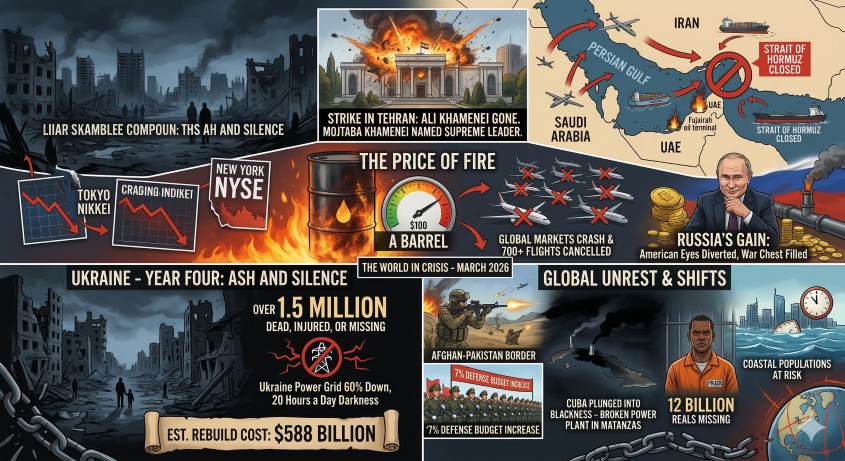
The world woke up on February 28, 2026, to one of the most dramatic military escalations in modern history. US and Israeli forces launched nearly 900 strikes in just 12 hours, targeting Iranian missiles, air defenses, military infrastructure, and leadership. The initial wave of strikes killed Supreme Leader Ali Khamenei and dozens of other officials.
The operation, codenamed "Epic Fury," was years in the making — but its consequences unfolded within hours, plunging the world into an energy and geopolitical crisis with no end in sight.
Decades of Tension, One Flashpoint
The 2026 war did not happen overnight. Tensions between the United States and Iran stretch back to the Islamic Revolution in 1979 and the subsequent Iran hostage crisis, which set a tone of mutual hostility and deep distrust. The immediate concerns leading up to the war included Iran's nuclear program, its ballistic missiles, its military reach in the Middle East, and the failed attempts to renegotiate a nuclear deal after the collapse of the 2015 JCPOA agreement.
The situation had already boiled over once before. In June 2025, Israel and the US bombed Iranian military and nuclear facilities in what became known as the Twelve-Day War. The conflict ended after a ceasefire under US pressure, but a US intelligence assessment suggested the strikes had set back Iran's nuclear capabilities by only a matter of months. That incomplete outcome set the stage for what came next.
The Final Weeks Before War
The months of January and February 2026 were a pressure cooker. There were extensive protests in Iran in early 2026, motivated by a weakened economy and struggling infrastructure, illustrating the regime's weakened legitimacy. Diplomatic channels were tried — and failed.
The failure of indirect negotiations in February on a new nuclear agreement was a key trigger. The mediating Omani foreign minister had stated significant progress, with Iran willing to make concessions, but President Trump said he was "not thrilled" with the talks.
Meanwhile, military posturing intensified. On January 28, 2026, Trump declared that "a massive Armada is heading to Iran." On February 19, the US warned that Tehran should make a deal as reports emerged that military strikes could come within days.
February 28: The War Begins
The surprise attacks were launched during ongoing negotiations between Iran and the US regarding Iran's nuclear program. US and Israeli forces targeted military and government sites, assassinating Supreme Leader Ali Khamenei and other Iranian officials, and inflicting heavy civilian casualties.
The Trump administration gave diverse and inconsistent explanations for starting the war — including the need to forestall Iranian retaliation, destroy Iran's missile capabilities, prevent Iran from building a nuclear weapon, and achieve regime change. Iran and some US officials rejected claims that Iran had been preparing an imminent attack.
Iran Strikes Back — and Closes the Strait
Iran's retaliation was swift and sweeping. Iran launched retaliatory missile and drone strikes targeting US embassies, military installations, and oil infrastructure throughout the Middle East, hoping its broad retaliation would pressure its adversaries into mediation.
Most critically for the global economy, Iran's Islamic Revolutionary Guard Corps (IRGC) issued warnings forbidding passage through the Strait of Hormuz, launched confirmed attacks on merchant ships, and reportedly laid sea mines in the strait — effectively blocking a waterway through which 25% of the world's seaborne oil trade and 20% of its LNG normally passes.
The conflict disrupted global travel and trade, halted flights in and out of the Middle East, and led to major shipping reroutes. Dubai International Airport, one of the world's busiest, was damaged by drone strikes and temporarily shut down.
A New Supreme Leader — and a Paralyzed Regime
Mojtaba Khamenei was elected on March 8, 2026, to replace his father as Supreme Leader. In late March, the New York Times described Iran's leadership as paralyzed, with severely disrupted decision-making and reports of paranoia and internal power struggles caused by damage to communications infrastructure.
Inside Iran, civilian reactions were deeply divided — some mourned Khamenei, others celebrated the strikes and expressed hope they might weaken the regime. No widespread anti-government uprising followed the initial strikes.
The Ceasefire — and Its Fragility
After 40 days of sustained combat, a fragile ceasefire took effect on April 8, 2026. But peace remained elusive. On April 18, Iran declared the strait fully open to commercial traffic — sending crude prices tumbling more than 10%. By the next day, hopes quickly unraveled as Tehran reclaimed control of the chokepoint after Trump refused to lift the US naval blockade of Iranian ports.
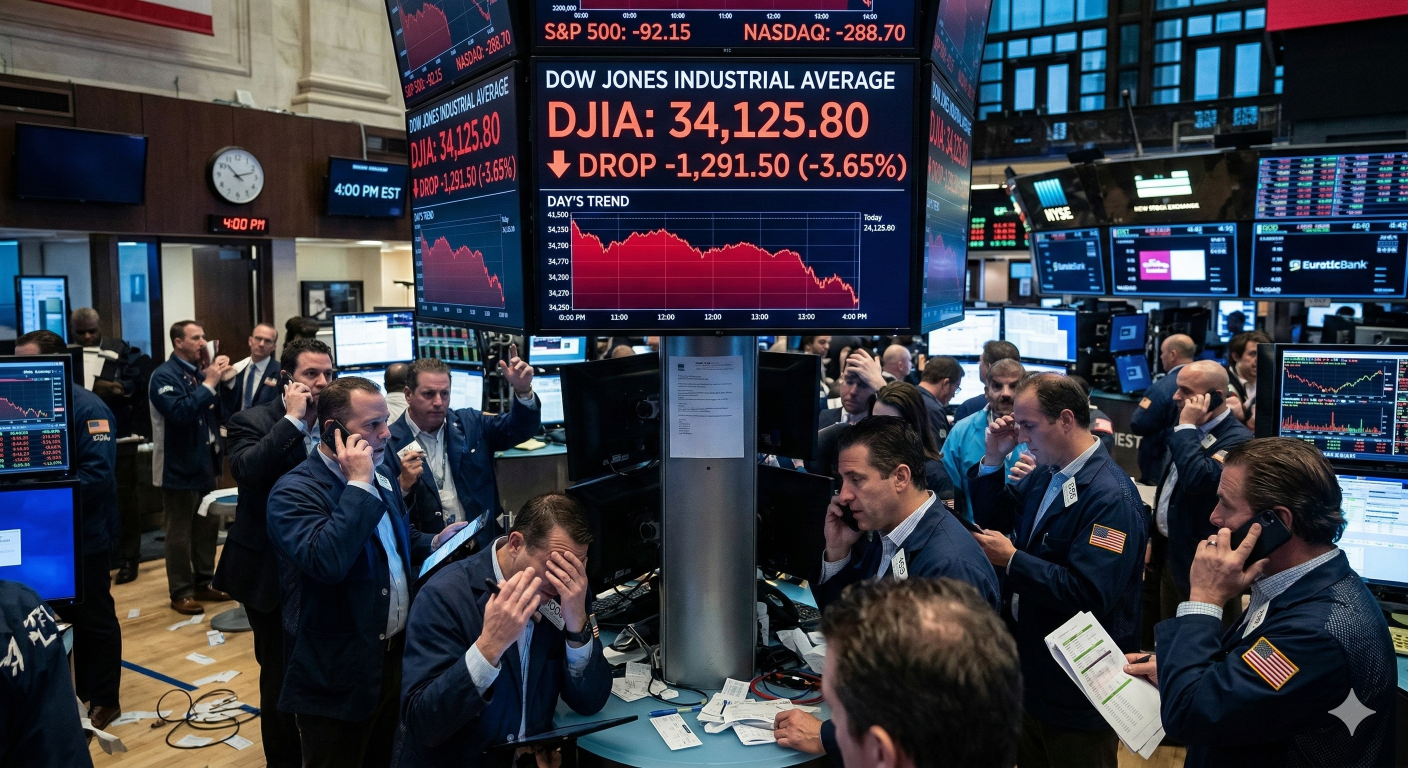
The economic costs are staggering. Experts estimate supply disruptions of around 13 million barrels of crude per day, with cumulative losses already exceeding half a billion barrels.
Impact on the Global Economy
The International Monetary Fund (IMF) has warned that global growth will take a hit even if the ceasefire holds, citing uncertainty over the Strait of Hormuz as a persistent drag pushing up energy costs and inflation worldwide. Oil-dependent economies in Asia, Europe, and South Asia — including Pakistan and India — are already feeling the effects through rising fuel prices and supply shortages.
Even if a deal is reached, experts warn it could take months to claw back the supply lost during the closure, keeping oil prices elevated for longer.
What Comes Next
Peace talks in Islamabad between the US and Iran collapsed, and a second round remains uncertain. Tehran has accused Washington of lacking "seriousness in pursuing a diplomatic process," while Trump has threatened to "knock out every single Power Plant, and every single Bridge, in Iran" if talks fall apart.
With the ceasefire deadline passed and both sides trading threats, the world's most critical oil chokepoint remains a flashpoint — and the full economic and geopolitical fallout of the 2026 US-Iran War is still unfolding.
Frequently Asked Questions (FAQ)
Q: Why did the US attack Iran in 2026?
A: The US cited Iran's nuclear program, ballistic missile capabilities, and regional military influence as reasons. The Trump administration also referenced failed diplomatic negotiations and alleged imminent threats.
Q: What is the Strait of Hormuz?
A: It is a narrow waterway between Iran and Oman through which approximately 20–25% of the world's seaborne oil and LNG passes every day. Its closure has major consequences for global energy markets.
Q: Is there a ceasefire between the US and Iran?
A: A temporary ceasefire was declared on April 8, 2026, but it remains fragile. Peace talks in Islamabad have so far failed to produce a permanent agreement.
Q: How does the Iran war affect oil prices?
A: With 13 million barrels per day of production effectively shut in, global oil prices have spiked significantly. Fuel shortages and rationing have been reported in parts of Asia.
Q: Who is Iran's new Supreme Leader?
A: Mojtaba Khamenei, the son of assassinated Supreme Leader Ali Khamenei, was elected as the new Supreme Leader on March 8, 2026.